
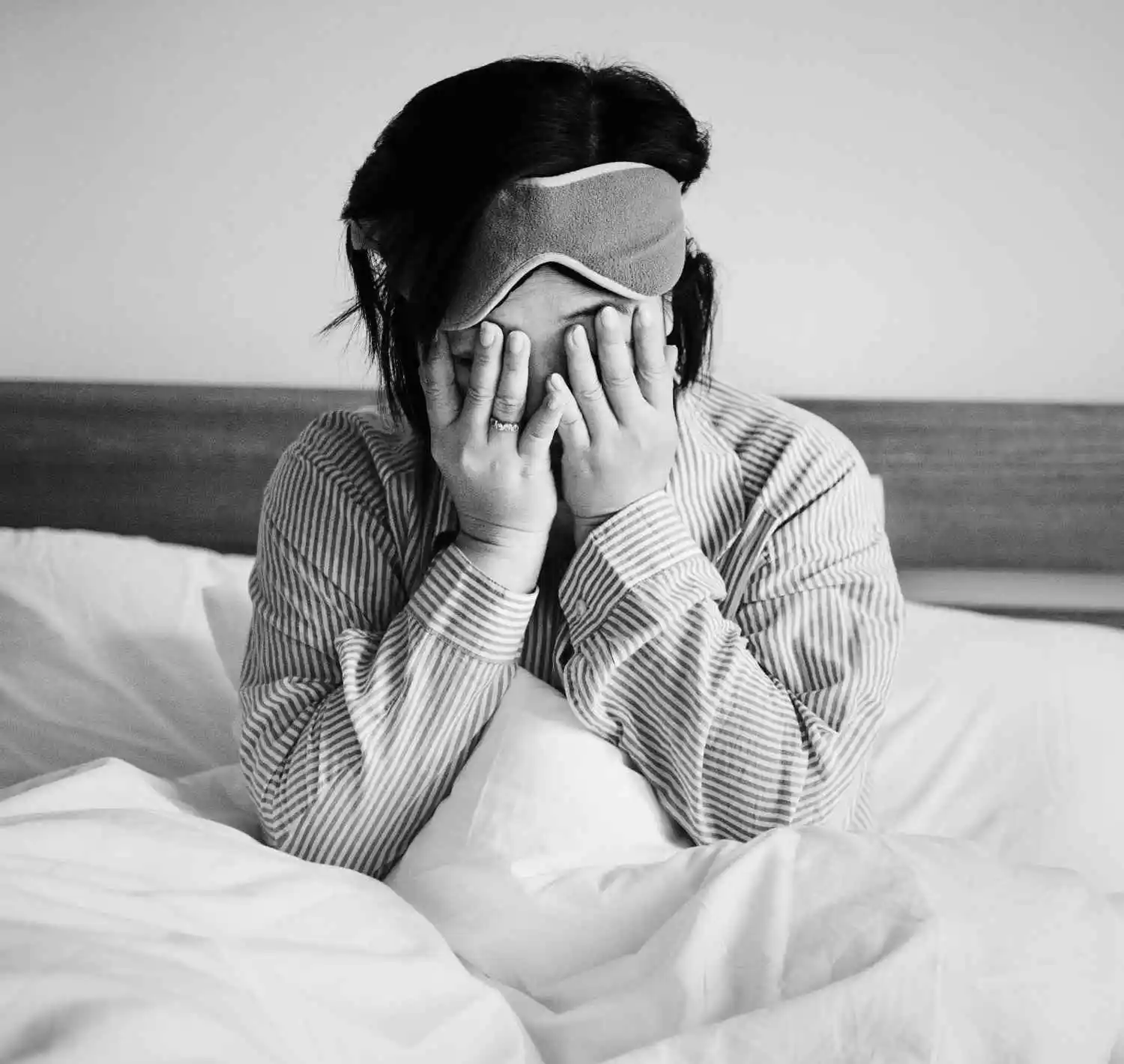
Sleep Disorders
Sleep disorders encompass a variety of conditions that disrupt a person's normal sleep patterns, affecting the quality, amount, or timing of sleep. Because sleep is essential for the brain to repair and process information, chronic sleep disturbances deeply impact both physical and mental health. Whether it is difficulty falling asleep, staying asleep, or experiencing abnormal behaviors during sleep, these disorders can severely diminish a person's daily energy, mood, and cognitive functioning.
Symptoms
The most common symptom across sleep disorders is excessive daytime sleepiness and chronic fatigue. Individuals with insomnia may spend hours staring at the ceiling, unable to drift off, or wake up frequently during the night. Others may experience loud snoring and gasping for air (sleep apnea), an irresistible urge to move their legs (restless legs syndrome), or unusual behaviors like sleepwalking or intense nightmares. Mentally, poor sleep leads to irritability, mood swings, brain fog, and a heightened risk of anxiety and depression.
Causes
Sleep disorders are caused by a combination of physical, environmental, and psychological factors. Medical issues like asthma, chronic pain, or hormonal imbalances can physically disrupt sleep. Poor sleep habits, such as excessive screen time before bed, irregular schedules, or heavy caffeine use, are major environmental culprits. Psychologically, the mind plays a massive role; chronic stress, severe anxiety, and untreated depression are among the leading causes of insomnia and disrupted sleep cycles.
Treatment
Effective treatment addresses both the physical habits and the underlying psychological causes of the sleep disruption. Cognitive Behavioral Therapy for Insomnia (CBT-I) is highly effective for retraining the brain to associate the bed with sleep rather than anxiety. Treatment also focuses heavily on improving "sleep hygiene," establishing strict, healthy bedtime routines. If the sleep disorder is driven by an underlying psychiatric condition, treating that condition directly is crucial. Short-term use of sleep medications may be utilized to safely reset the body's natural sleep-wake cycle.