Stress-Related Issues
Stress is the body's natural response to any demand or challenge. While temporary stress can be helpful for motivation and performance, chronic and unmanaged stress can lead to serious mental and physical health concerns. Stress-related issues occur when the pressures of daily life exceed an individual's ability to cope, resulting in a persistent state of tension and emotional exhaustion. Addressing these issues early is important to prevent them from developing into more severe psychiatric conditions, such as clinical depression or anxiety disorders.
Symptoms
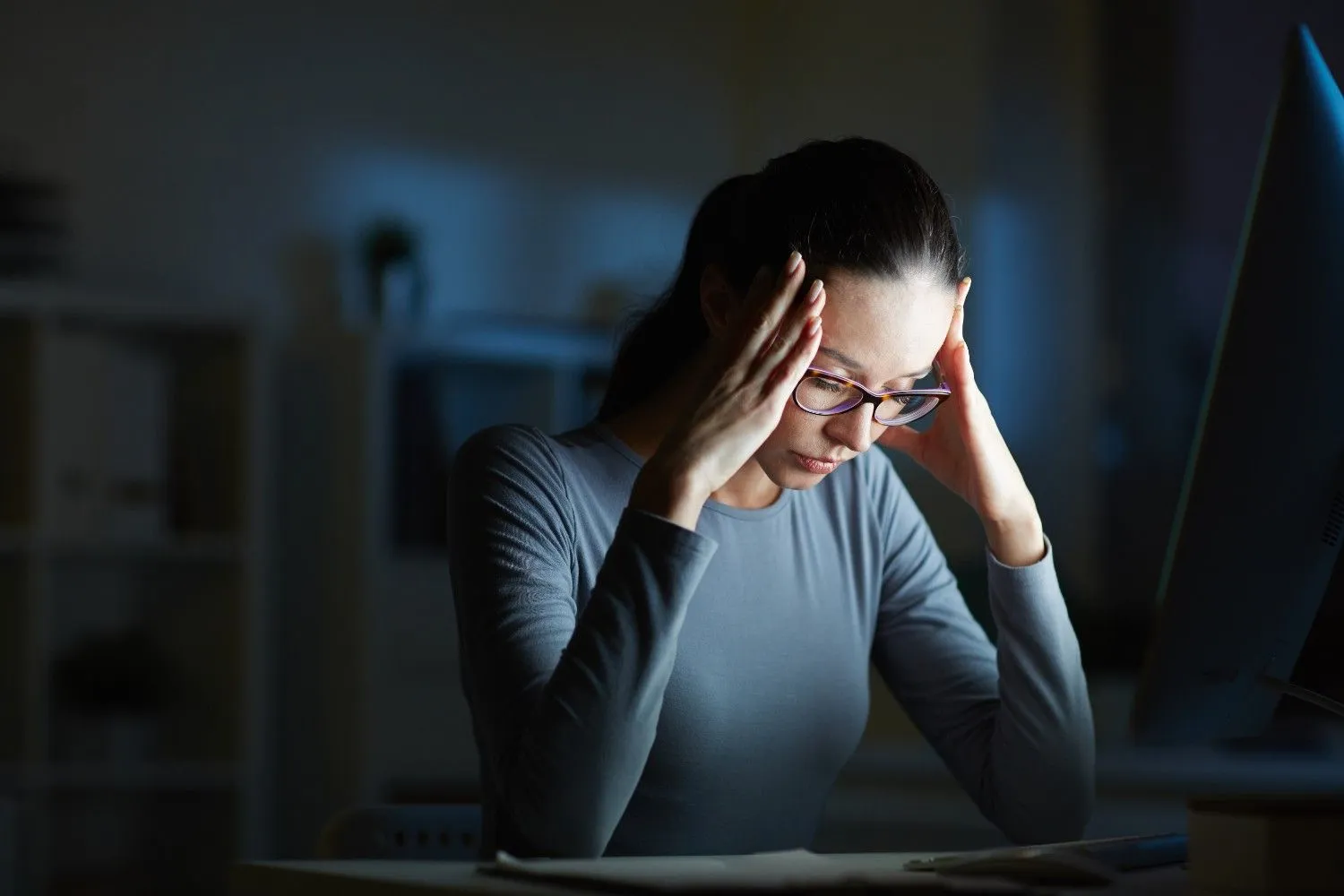
Chronic stress can affect the mind and the entire body. Emotional symptoms may include constant irritability, feeling overwhelmed, frequent mood changes, frustration, and an inability to relax. Mentally, individuals may experience racing thoughts, forgetfulness, poor concentration, difficulty making decisions, and reduced judgment.
Physical symptoms commonly include tension headaches, digestive problems, muscle pain, high blood pressure, chest discomfort, disturbed sleep, and frequent illnesses caused by a weakened immune system. Behavioral changes, such as changes in appetite, procrastination, social withdrawal, or using alcohol or other substances to relax, may also indicate high stress levels.
Causes
Stress-related issues are primarily influenced by environmental, personal, and lifestyle factors. Common triggers include high-pressure jobs, financial difficulties, relationship conflicts, academic pressure, caregiving responsibilities, and major life changes such as moving, losing a job, experiencing bereavement, or going through a divorce.
A fast-paced lifestyle, inadequate rest, excessive screen time, and poor work-life balance can also contribute to chronic stress. An individual's personality, coping style, previous life experiences, and level of emotional or social support can influence how strongly stressful situations affect their mental and physical well-being.
Treatment
Treatment for stress-related issues focuses on building emotional resilience and developing effective coping strategies. Counseling provides a supportive and confidential space to discuss challenges, identify specific stressors, understand unhealthy thought patterns, and develop practical problem-solving skills.
Treatment may also emphasize lifestyle modifications, such as setting healthy personal and professional boundaries, improving time management, maintaining a regular sleep schedule, and prioritizing self-care. Learning to balance responsibilities and recognize personal limits can help prevent emotional exhaustion and burnout.
Relaxation techniques, mindfulness, meditation, breathing exercises, and regular physical activity are commonly recommended to reduce physical tension and help the body return to a calmer state. With timely professional support and consistent lifestyle changes, individuals can manage stress more effectively and improve their overall quality of life.